Services · Mobile app development

Apps people open a second time.

Mobile app development for US companies is about earning a place on a crowded home screen. We build iOS and Android apps in Flutter, React Native or native code, ship them through both stores, and keep improving them after launch so customers return for the second order, booking or session.
Built for
US businesses with existing customers who need an app that makes repeat purchases, bookings or service requests faster than the website.
Typical timeline
Three to five months for a focused first release, including store review and a launch month.
What you own
The repository, the App Store and Play accounts and every credential, in your name from day one.
Rated
4.7 / 5 from 23 Google reviews

In short

The US is one of the few major markets where iPhone and Android are both large enough that neither can be ignored, and the split varies by region, age and income. Most products need both platforms on launch day, which is why we often recommend one Flutter or React Native codebase and add native modules where the device demands it.

American users judge an app quickly. Store ratings, review text and the first screen after install shape whether people keep it. Payments matter too: customers expect Apple Pay and Google Pay inside the app, card payments through Stripe or a similar provider, and PayPal where it suits the audience. We also plan for the store rules on digital goods and subscriptions, which affect how and where you can charge.

Privacy is a design decision, not an afterthought. Apple's App Tracking Transparency prompt and privacy labels, the Google Play data safety form, and state laws such as CCPA and CPRA all shape what data you collect and how you explain it. If your app handles health, financial or children's information, additional federal rules may apply, and we suggest confirming your obligations with counsel before the build is scoped.

Accessibility expectations are high. VoiceOver, TalkBack, dynamic text sizes and sufficient contrast are part of how we build, since mobile apps can face the same ADA based complaints as websites.

Codeeo works with US clients remotely. Discovery workshops, sprint reviews and demos run over video, test builds arrive through TestFlight and Play internal testing, and progress is tracked on a shared board. We agree a meeting rhythm that fits your time zone, so your team can test on real devices between calls and leave feedback directly on each build.


200+ companies across the US and the UAEFrom a first store to a listed developer

Modon
Majid Al Futtaim
HP
Belkin
Dulsco Group
OneClickDrive
Hanayen
HMS
Clocksprings
Ghezlan

What you get

Everything between the idea and the store listing.

A mobile engagement covers more than screens. For US clients it includes store accounts and review, wallet payments, privacy disclosures, accessibility on both platforms, analytics and the updates that follow each OS release. We build iOS and Android apps from one codebase where that suits the product, and natively where it does not.
Explain your project
  • Flutter developers

    One Dart codebase for iOS and Android, with native plugins where the platform demands them.

    You pay for one app and get two, and a bug fixed once is fixed on both platforms.

  • React Native developers

    For teams already on React, so web and mobile share logic and people.

    You hire one kind of engineer instead of three, and your web team can read the mobile code.

  • Swift developers

    Native iOS when performance, camera, payments or widgets are the product.

    You get the camera, Apple Pay and widgets working the way iPhone owners expect on day one.

  • Kotlin developers

    Native Android, including the devices and OS versions your users really run.

    You stop losing users on the mid-range Android phones most of the market actually owns.

  • iOS app development

    App Store review, TestFlight, in-app purchase and the privacy labels Apple now insists on.

    You launch on the date you planned, not a fortnight later after a rejection.

  • Android app development

    Play Console, staged rollouts and the fragmentation testing nobody budgets for.

    A bad release reaches five percent of users and is pulled, not all of them.

  • Cross platform apps

    A straight answer on when one codebase is cheaper and when it costs you twice.

    You make the codebase decision once, with the real cost of each option in front of you.

  • App Store launch

    Listings, screenshots, review notes and the first week of crash monitoring.

    Your listing converts from the first day and the first crashes are fixed before reviews mention them.

  • Mobile UI engineering

    Gestures, transitions and offline states that feel like the platform, not a website in a frame.

    Users keep the app because it feels native, which is the difference reviews are written about.

  • App maintenance

    OS updates, dependency upgrades and the fixes your reviews ask for, on a retainer.

    An OS release never takes your app down, and the fixes your reviews ask for actually ship.

Who this is for

Three situations we see most weeks.

US companies usually come to us at one of three points: with a business but no app, with an app the reviews are criticizing, or with a web product customers want on their phone. Each starting point needs a different first step, and here is what we do.
01

Your customers already buy online and want an app

We start from the repeat purchase or rebooking flow, add Apple Pay and Google Pay so returning customers pay in a tap, and use push notifications carefully. The app earns its place by being faster than your mobile website.

Built around the second order, not the first.

02

Your store rating is slipping and the reviews explain why

We read the App Store and Google Play reviews alongside crash reports and analytics, then give you a written list of what to fix first. Most problems sit in a few flows or device families rather than the whole codebase.

Reviews and crash logs read before any code changes.

03

Your SaaS product works on desktop but users want mobile

We decide with you which tasks belong in the app, such as approvals, alerts or quick updates, and which stay on the web. A smaller app that does a few jobs well gets better ratings than a squeezed copy of the dashboard.

Mobile gets the tasks people do away from a desk.

Four phases, with a build you can install from week two.

  1. 01DiscoverWe map the repeat journey, the one thing a user does on the second open, and the device and OS mix your audience actually has. That decides native or cross platform before anyone argues about frameworks.
  2. 02DesignFlows first, screens second. Prototypes go onto real phones with people who have never seen the product, and the parts they stumble on are redesigned before a line of code.
  3. 03BuildTestFlight and Play internal builds from the second week. Every sprint ends with something installable, tested on the real devices from discovery, not the simulator.
  4. 04MeasureCrash reporting, funnels and store analytics are wired before launch. After it, the first thirty days of reviews and data set the fix list, and we work through it.

Selected work

Where this service has already shipped.

Two or three of the companies this lane has built for. The full list is on the work page.

01

Entertainment

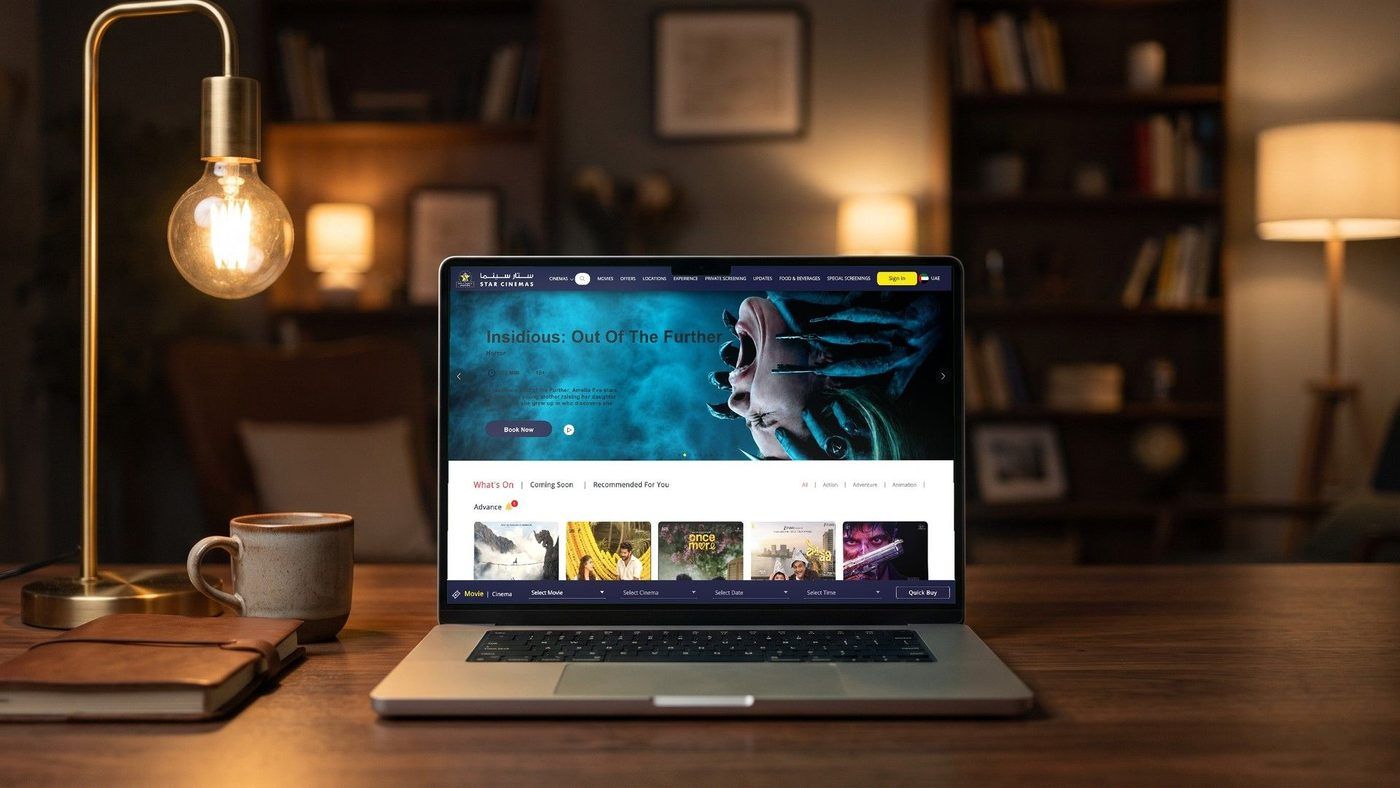
STAR CINEMAS

Ticketing across 100+ screens, rebuilt so seat selection works on a phone in under a minute.

The old flow asked for a cinema, a film, a date and a time before it would show a single seat, which is three screens of commitment before any value. We rebuilt it around the seat map, with showtimes as a filter rather than a gate, and made the whole path work one handed on a phone in a dark foyer.

View case
02

Payments

PURPOSE PAYMENT

A payments product where compliance was designed in from the first sprint, not discovered at the security review.

Payment work carries requirements that are far cheaper to design for than to retrofit: how data is stored, who is allowed to see it, and what has to be provable afterwards. Those were settled before the build started rather than bolted on when the review came around.

View case

Technology

What we build this with.

Chosen to fit the problem and the team who will own it afterwards.

01Mobile

  • Swift
  • Kotlin
  • Flutter
  • React Native

02Data and cloud

  • PostgreSQL
  • MySQL
  • MongoDB
  • AWS
  • Azure
  • Docker

03Marketing and tracking

  • GA4
  • Google Tag Manager
  • Search Console
  • Meta Pixel
  • Looker Studio

Questions people ask before building an app.

For most US products, both, because neither platform is small enough to skip.

A single Flutter or React Native codebase lets iOS and Android ship together with the same features. Launching on one platform first can make sense for a narrow audience you know prefers it, but we would want your analytics or customer data to confirm that before recommending it.

Tell us what the business needs. We will tell you what to build first.

Schedule a free consultation and get a written recommendation, with costs, before you commit to anything.

Get in touch

PROVEN RESULTS

4.7 / 5from 23 Google reviews