 SEOSEO Copywriting: How to Write Content That Ranks and ConvertsWhat SEO copywriting is, how to write pages that rank and convert in 2026, how AI fits in, and what to expect from SEO copywriting services.
AI Marketing Tools: What US Businesses Should Use in 2026
Which AI marketing tools fit which jobs, how AI in digital marketing helps today, what still needs people, and the US rules to follow.
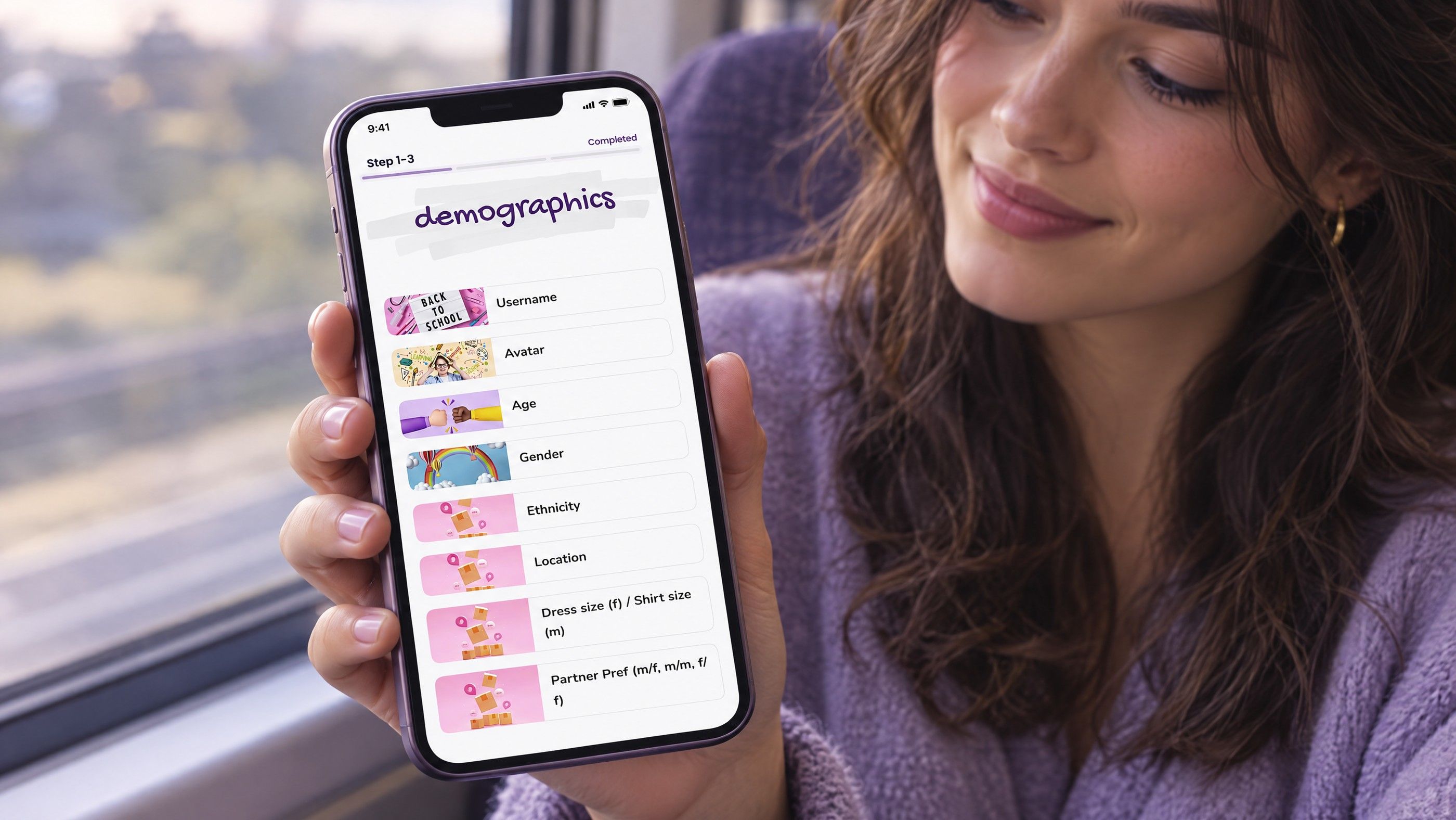
The AI marketing tools worth using in 2026 are the ones that save your team real time on research, content drafts, ad testing, reporting and customer replies, while people stay in charge of facts, brand voice and decisions. For most US businesses that means a general AI assistant, the AI features already built into your ad platforms and analytics, a design tool with AI features, and a chat assistant for common questions. This guide explains how AI in digital marketing works today, which tools fit which jobs, and the rules and risks to manage.
It is for marketing managers and business owners across the US who want practical results from AI rather than another subscription nobody uses.
AI marketing tools by job
| Job | Types of tools | Examples |
|---|---|---|
| Research and drafting | General AI assistants | ChatGPT, Claude, Gemini, Microsoft Copilot |
| Design and video | Creative tools with AI features | Canva, Adobe Firefly |
| Paid ads | AI built into ad platforms | Google Ads Performance Max, Meta Advantage+ campaigns |
| CRM and email | AI features in marketing platforms | HubSpot, Salesforce, Mailchimp |
| Analytics | Automated insights | Google Analytics insights, Power BI |
| Customer service | Chat assistants on websites and messaging | Intercom Fin, Zendesk AI agents, HubSpot chatbot |
Start with one or two tools tied to a clear job, measure the time saved and the quality, then expand.
How AI in digital marketing helps today
- Faster research. Summarizing competitors, reviews and customer questions in minutes.
- First drafts. Outlines, ad variations, email subject lines and social captions for people to edit.
- Testing at scale. More creative variations for ad platforms to test, so winners appear sooner.
- Smarter reporting. Summaries that point out what changed and why.
- Quicker replies. Chat assistants that answer common questions and route the rest to people.

What still needs people
- Facts and claims. AI can state wrong information confidently. Check every number, date and claim.
- Brand voice. Unedited AI text sounds like everyone else. Add your own examples and expertise.
- Strategy. Choosing audiences, offers and budgets needs business judgment.
- Customer data. Decide what data may be shared with which tools, and follow your privacy policy and state privacy laws.
Rules US marketers should know
The FTC's rule against fake reviews and testimonials covers reviews written by AI as well as by people, and its long standing rules on truthful advertising apply to AI generated ads too. Disclose sponsored content, avoid made up endorsements, and keep records of how claims are supported. State privacy laws in places such as California, Colorado and Virginia also affect how customer data can be used for targeting.
AI content and SEO
Google does not ban AI generated content, but it rewards helpful, original content regardless of how it is made. Its guidance on using generative AI content warns against mass producing pages mainly to manipulate rankings. Use AI to speed up drafts, then add real expertise, examples and checking before publishing. Our SEO and digital marketing team works this way.
A practical plan for adopting AI marketing tools
- List repetitive tasks that take the most time: reporting, captions, first drafts, ad variations.
- Pick one task and one tool, and set a quality bar before you start.
- Write simple rules: what AI may draft, what needs review, and what data must never be shared.
- Connect tools to your systems where it saves real time, such as routing chat leads into your CRM with sales automation.
- Review monthly what saved time and what needed too much fixing.

Building AI into your own website or app
Some businesses go further and build AI features into their own products, such as assistants that answer product questions or help customers book. Our custom software and mobile app teams build these with clear limits and human handover.
How Codeeo helps
Codeeo has delivered over 200 projects across the UAE and the US, with a team of more than 80 people in Dubai, Riyadh and Karachi, and is rated 4.7 from 23 Google reviews. We help US businesses choose AI tools that save time, set simple rules for using them, and connect them to websites, CRMs and reporting. Our Regive case study shows a community app with in app messaging. To talk it through, contact our team.
Frequently asked questions
The best tools depend on the job.
General assistants such as ChatGPT, Claude, Gemini and Copilot help with research and drafts. Canva and Adobe Firefly speed up design. Google Ads and Meta include AI campaign types for ads. HubSpot and similar platforms add AI to email and CRM. Start with one clear task, measure results and expand from there.
AI is used for research, drafting content and ads, testing creative variations, summarizing reports, personalizing emails and answering common customer questions through chat.
Ad platforms also use AI to decide where and to whom ads appear. People still need to check facts, keep the brand voice, protect customer data and make decisions about strategy and budgets.
Not by itself.
Google judges content on whether it is helpful and original, not on whether AI helped write it. Problems arise when businesses publish large amounts of unedited AI content mainly to rank. Use AI for drafts, then add real expertise, examples, accurate facts and a clear point of view before publishing.
Yes.
AI tools can produce inaccurate facts, generic wording or claims you cannot support, and the FTC's advertising rules still apply to AI generated content. Set a simple review process: a person checks facts, brand voice and compliance before anything is published or sent to customers.
Pick one repetitive task that takes the most time, such as writing social captions or summarizing monthly results.
Try one tool for a few weeks, compare the time saved and the quality with your usual process, and write down simple rules for what AI may and may not do. Expand only when the first use is working well.
SEOSEO Copywriting: How to Write Content That Ranks and ConvertsWhat SEO copywriting is, how to write pages that rank and convert in 2026, how AI fits in, and what to expect from SEO copywriting services. SEOTechnical SEO Services: What They Include and Why They MatterWhat technical SEO is, what a technical SEO audit service checks, how JavaScript and migrations affect SEO, and how to choose a technical SEO agency.
 SEOWebsite Optimization Services: Speed, SEO and Conversions in One PlanWhat website optimization services cover, how to improve speed, SEO for website pages and conversions, and how to choose the right partner.
Tell us what the business needs. We will tell you what to build first.
Schedule a free consultation and get a written recommendation, with costs, before you commit to anything.
Get in touchPROVEN RESULTS
4.7 / 5verified reviews on Google